
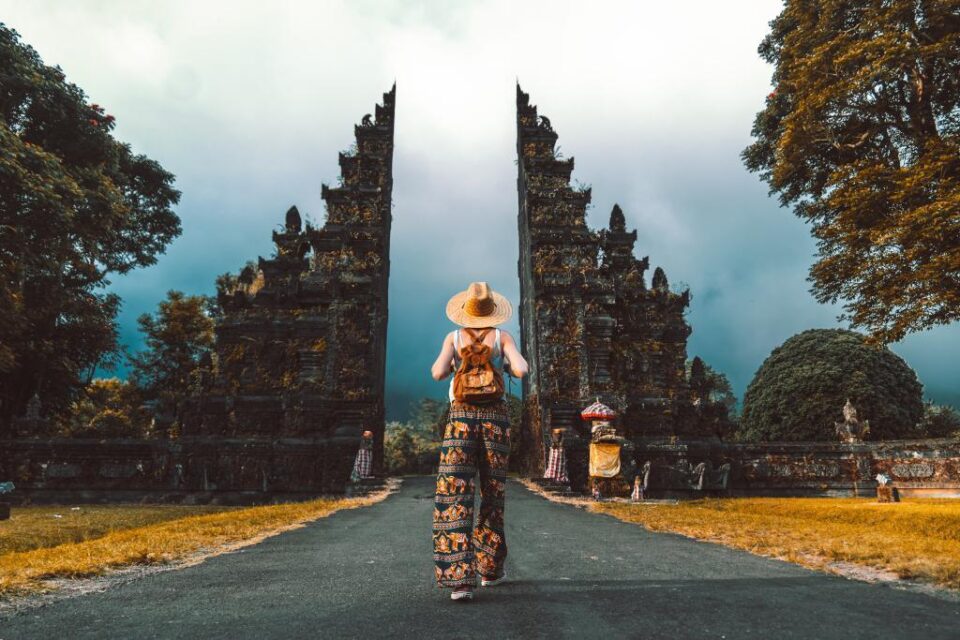
Travel is no longer just about ticking destinations off a list. For many modern explorers, it has become a deeply personal journey—one that blends discovery, connection, and self-growth. Whether you travel across continents or explore a nearby town, the experience shapes how you see the world and your place in it.
The True Meaning of Travel
At its core, travel is the act of stepping outside routine. It introduces new cultures, unfamiliar flavors, different languages, and unexpected perspectives. Unlike vacations that focus solely on relaxation, meaningful travel encourages curiosity and openness.
Travel changes you quietly. It challenges assumptions, builds empathy, and often leaves lessons that linger long after the suitcase is unpacked.
Types of Travel Experiences
Leisure and Vacation Travel
This is the most familiar form of travel, centered on rest, enjoyment, and entertainment. Beach escapes, city breaks, and resort stays fall into this category.
Key benefits include:
-
Stress relief and mental reset
-
Quality time with loved ones
-
Exposure to new environments
Cultural and Experiential Travel
Cultural travel focuses on immersion rather than observation. Travelers engage with local traditions, history, and daily life.
Examples include:
-
Staying with local families
-
Participating in traditional festivals
-
Learning regional crafts or cooking styles
This approach fosters authentic connection rather than surface-level sightseeing.
Adventure and Nature Travel
Adventure travel appeals to those seeking physical challenges and raw landscapes. It often combines exploration with personal achievement.
Popular activities include:
-
Hiking and trekking
-
Wildlife exploration
-
Water-based adventures like kayaking or diving
This style of travel strengthens resilience and appreciation for nature.
Sustainable and Responsible Travel
Sustainable travel prioritizes environmental care and social responsibility. It minimizes negative impact while maximizing local benefits.
Responsible travelers often:
-
Choose eco-friendly accommodations
-
Support local businesses
-
Respect cultural norms and ecosystems
This approach ensures destinations remain vibrant for future generations.
Why Travel Matters in Today’s World
In an increasingly digital and fast-paced society, travel offers something rare: presence. It encourages people to slow down, observe, and engage meaningfully.
Travel also plays a vital role in:
-
Personal growth through adaptability and confidence
-
Cultural understanding by breaking stereotypes
-
Economic support for local communities
When done thoughtfully, travel becomes a powerful force for global connection.
How to Travel Smarter and Deeper
Meaningful travel doesn’t require luxury or distance. It requires intention.
Practical tips for better travel experiences:
-
Research cultural customs before arrival
-
Travel lighter to stay flexible
-
Spend more time in fewer places
-
Talk to locals instead of relying only on guides
These habits turn ordinary trips into memorable journeys.
The Future of Travel
The future of travel is shifting toward personalization and purpose. Travelers are increasingly valuing experiences over attractions and depth over speed. Slow travel, remote work journeys, and conscious tourism are redefining how people move around the world.
As travel evolves, its essence remains unchanged: the desire to explore, learn, and feel alive beyond familiar boundaries.
Frequently Asked Questions (FAQs)
What is the best way to choose a travel destination?
Start by identifying your purpose—relaxation, learning, adventure, or connection—then choose a destination that aligns with it.
Is travel possible on a limited budget?
Yes. Planning ahead, traveling off-season, and choosing local accommodations can significantly reduce costs.
How can travelers avoid tourist burnout?
By slowing down, limiting packed itineraries, and allowing unplanned time for rest and exploration.
What is slow travel, and why is it popular?
Slow travel emphasizes spending longer periods in fewer places to gain deeper cultural and personal experiences.
How can travel improve mental health?
Travel reduces routine stress, boosts creativity, and encourages mindfulness through new surroundings.
What makes travel experiences more meaningful?
Engaging with local people, respecting cultures, and focusing on experiences rather than photos.
Is solo travel safe for beginners?
With proper research, awareness, and planning, solo travel can be both safe and empowering for first-time travelers.