
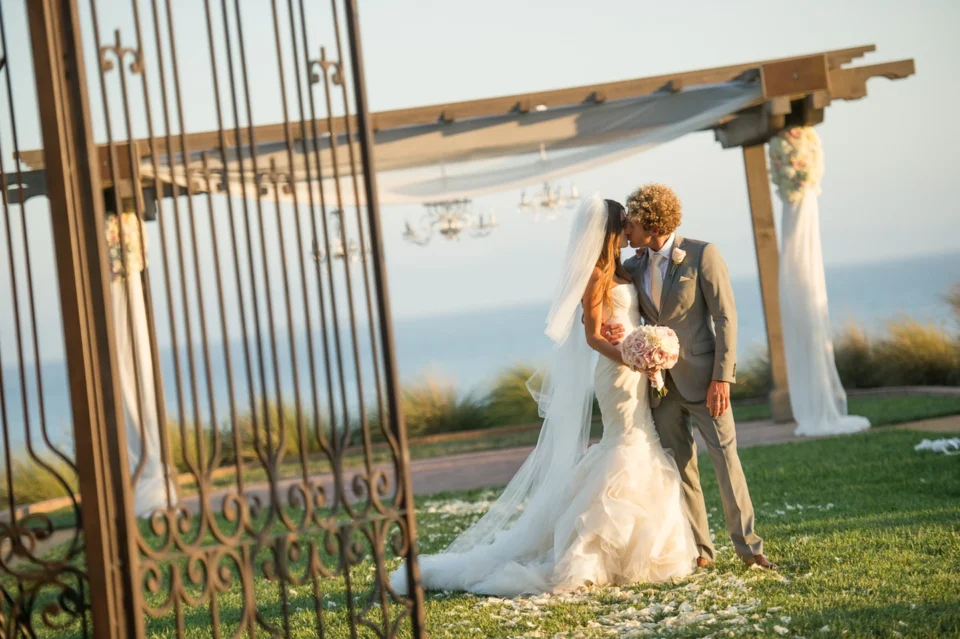
A wedding is more than a formal event—it is a deeply personal milestone that marks the beginning of a shared life. From intimate gatherings to grand celebrations, weddings reflect culture, values, and the unique bond between two people. Thoughtful planning ensures the day feels authentic, memorable, and stress-free for everyone involved.
Understanding the Essence of a Wedding
At its core, a wedding symbolizes commitment, unity, and love. While traditions vary across cultures and religions, the purpose remains the same: to publicly celebrate a lifelong partnership.
Key elements commonly include:
-
A ceremony where vows are exchanged
-
A reception to celebrate with family and friends
-
Rituals or customs that reflect heritage or beliefs
Modern weddings often blend tradition with personal creativity, allowing couples to design an experience that feels truly their own.
Types of Weddings to Consider
Every couple has a different vision. Choosing the right wedding style helps shape decisions about venue, attire, décor, and budget.
Traditional Wedding
A formal celebration rooted in cultural or religious customs, often hosted in places of worship or banquet halls.
Destination Wedding
Held in a scenic location away from home, combining celebration with travel and vacation experiences.
Intimate or Micro Wedding
A smaller gathering focused on close family and friends, prioritizing emotional connection over scale.
Outdoor Wedding
Set in gardens, beaches, or countryside venues, offering natural beauty and relaxed ambiance.
Step-by-Step Wedding Planning Guide
Set a Clear Budget
A realistic budget acts as the foundation of all planning decisions. Allocate funds for major categories such as:
-
Venue and catering
-
Attire and accessories
-
Photography and videography
-
Décor and entertainment
Choose the Right Venue
Your venue influences the tone of the entire event. Consider guest capacity, accessibility, weather backup options, and available amenities.
Finalize the Guest List
Knowing the approximate number of guests early helps with venue selection, catering costs, and seating arrangements.
Select Wedding Attire
Wedding outfits often carry emotional significance. Choose attire that balances tradition, comfort, and personal style.
Hire Trusted Vendors
Reliable professionals reduce stress and ensure smooth execution. Key vendors typically include:
-
Wedding planner or coordinator
-
Photographer and videographer
-
Caterer and baker
-
Florist and decorator
Wedding Décor and Styling Trends
Modern wedding décor focuses on personalization and storytelling. Couples increasingly favor designs that reflect their journey together.
Popular décor trends include:
-
Minimalist floral arrangements
-
Neutral color palettes with metallic accents
-
Eco-friendly and reusable décor elements
-
Customized signage and monograms
Lighting also plays a vital role, creating warmth and enhancing the overall atmosphere.
Making the Wedding Day Memorable
Beyond aesthetics, memorable weddings prioritize experience and emotion. Thoughtful touches can leave a lasting impression on guests.
Ideas to elevate the experience:
-
Personalized vows
-
Live music or curated playlists
-
Interactive food or dessert stations
-
Meaningful rituals involving family members
Staying present and embracing the moment matters more than perfection.
Common Mistakes to Avoid
Even well-planned weddings can face challenges. Being aware of common pitfalls helps prevent unnecessary stress.
Avoid:
-
Overloading the schedule without breaks
-
Ignoring weather contingencies for outdoor events
-
Trying to please everyone at the expense of personal happiness
-
Delaying decisions until the last minute
Flexibility and clear communication are key to navigating unexpected changes.
Frequently Asked Questions (FAQs)
How early should wedding planning begin?
Most couples start planning 9–12 months in advance, though smaller weddings may require less time.
What is the average duration of a wedding ceremony?
A typical ceremony lasts 20–45 minutes, depending on cultural or religious elements.
Is hiring a wedding planner necessary?
While not mandatory, a planner can significantly reduce stress and help manage logistics, especially for large or destination weddings.
How can couples personalize their wedding without increasing costs?
Personalization can come from handwritten vows, meaningful music choices, or DIY décor rather than expensive additions.
What should couples prioritize when the budget is limited?
Focus on what matters most—often the venue, food, and photography—while simplifying décor or guest count.
Are weekday weddings a good option?
Yes, weekday weddings are often more affordable and offer greater venue availability.
How can couples manage wedding-day stress?
Preparation, delegation, and trusting vendors allow couples to stay relaxed and fully enjoy their celebration.