
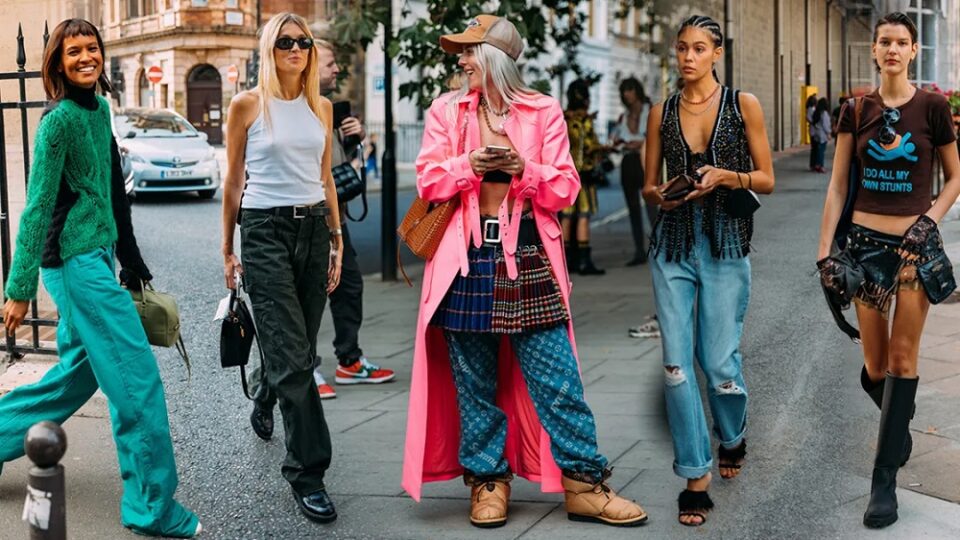
Fashion today is far more than clothing—it is a language of self-expression, a reflection of culture, and a rapidly evolving industry shaped by technology, sustainability, and global influence. From everyday streetwear to high-end couture, fashion continues to redefine how individuals present themselves to the world.
The Evolution of Fashion Over Time
Fashion has always mirrored social change. What began as a necessity for protection gradually transformed into a symbol of status, creativity, and rebellion.
Key milestones in fashion evolution include:
-
The rise of tailored garments during industrialization
-
The bold experimentation of the 20th century
-
The digital revolution influencing trends in real time
Today, fashion moves faster than ever, driven by social media, influencers, and global connectivity.
Fashion as a Form of Self-Expression
Clothing choices often communicate personality, mood, and values without words. Modern fashion encourages individuality rather than rigid rules.
Why personal style matters:
-
Builds confidence and self-image
-
Reflects lifestyle and beliefs
-
Allows creative freedom beyond trends
Personal style thrives when comfort, authenticity, and creativity intersect.
The Rise of Sustainable Fashion
Sustainability has become a defining movement within the fashion industry. Consumers are increasingly aware of the environmental and ethical impact of what they wear.
Core principles of sustainable fashion
-
Eco-friendly fabrics like organic cotton and recycled fibers
-
Ethical labor practices
-
Reduced waste through mindful production
Brands embracing sustainability are reshaping fashion into a more responsible and transparent industry.
The Influence of Technology on Fashion
Technology has transformed how fashion is designed, marketed, and consumed.
Notable advancements include:
-
Virtual try-ons and AI-powered styling
-
3D garment design and digital fashion shows
-
Online customization and direct-to-consumer models
These innovations make fashion more accessible, inclusive, and efficient.
Timeless Style vs. Fast Trends
While trends dominate social feeds, timeless fashion remains a cornerstone of lasting style.
Timeless fashion focuses on:
-
Quality over quantity
-
Neutral colors and classic silhouettes
-
Versatile pieces that outlive seasonal trends
Balancing trends with timeless essentials creates a wardrobe that feels both current and enduring.
The Power of Accessories in Fashion
Accessories often define an outfit. A simple look can be transformed with the right details.
Popular accessories include:
-
Statement jewelry
-
Structured handbags
-
Scarves, belts, and footwear accents
Thoughtful accessorizing adds depth, personality, and polish to any ensemble.
Fashion Across Cultures
Global fashion draws inspiration from diverse traditions, textiles, and craftsmanship. Cultural influences enrich modern design, blending heritage with innovation.
This exchange encourages:
-
Greater appreciation of traditional artistry
-
Cross-cultural creativity
-
A more inclusive fashion narrative
Respectful representation remains essential in this global dialogue.
Frequently Asked Questions (FAQs)
1. What defines modern fashion today?
Modern fashion is defined by individuality, sustainability, and the integration of technology with style.
2. How can someone develop a personal fashion style?
By experimenting with different looks, understanding body comfort, and choosing pieces that align with personal values.
3. Is sustainable fashion more expensive?
While some sustainable pieces may cost more upfront, they often last longer, making them cost-effective over time.
4. How do trends start in the fashion industry?
Trends emerge from designers, cultural shifts, social media influence, and consumer behavior.
5. What role do accessories play in an outfit?
Accessories enhance outfits by adding contrast, focus, and personality without changing the core clothing.
6. Can timeless fashion still feel modern?
Yes, timeless pieces can be styled with modern elements to stay fresh and relevant.
7. How does culture influence fashion trends?
Cultural heritage, traditions, and global exchanges inspire colors, patterns, and silhouettes in fashion design.